
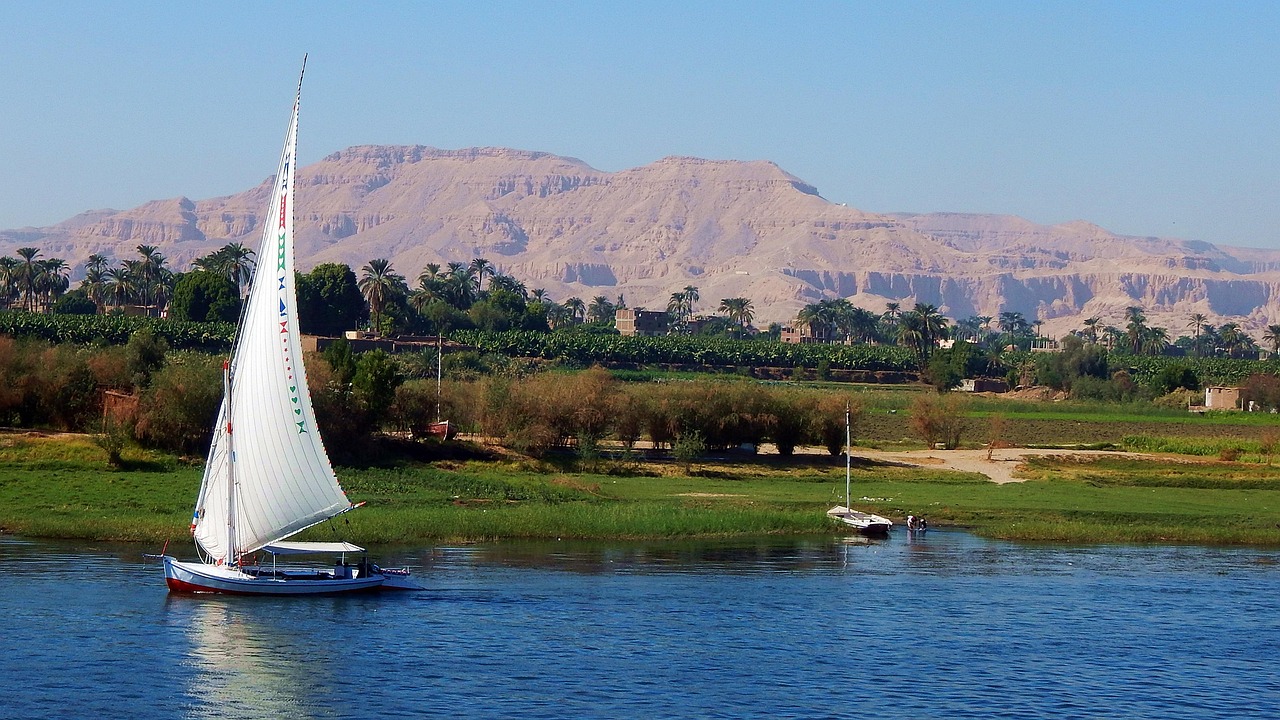
A journey along the Nile River is more than just a trip; it’s an immersion into thousands of years of human history. The same river that sustained ancient pharaohs, sparked timeless myths, and formed the backbone of one of the world’s most enduring civilisations continues to flow through the heart of modern Egypt. Along its route, it is flanked by magnificent temples, royal tombs, and palm-lined banks that appear almost untouched by the passage of millennia. To travel this legendary waterway with Nile River cruises offers a unique perspective that no land-based tour can replicate—it provides a slow, deliberate, and unhurried encounter with the wonders of the ancient world, allowing you to absorb the landscape at a pace that feels true to its history.
The Classic Route From Luxor to Aswan
The most popular cruising corridor runs between Luxor and Aswan, covering roughly 200 kilometres of the Upper Nile. Most itineraries last between three and seven nights, stopping at a handful of landmark sites along the way.
Luxor itself is home to the Karnak Temple Complex and the Valley of the Kings — both worth at least a half-day each. Heading south, Edfu’s Temple of Horus is among the best-preserved ancient Egyptian temples anywhere in the country, followed by the double temples at Kom Ombo, perched directly above the riverbank. Aswan marks the southern end of the route, with Philae Temple and the Nubian villages nearby rounding out the experience.
Choosing the Right Time to Go
October to April is the window most travellers aim for. Temperatures across this stretch of Egypt are manageable during these months — warm and sunny without the extreme heat that descends between May and September, when midday temperatures can exceed 40°C.
December and January attract the highest visitor numbers, particularly around the major temple sites. If quieter mornings and shorter queues matter to you, consider travelling in October, November, or early April. You’ll still have comfortable weather, with the added benefit of slightly thinner crowds.
Picking Your Vessel
The type of boat you choose shapes the entire experience. Modern cruise ships — typically carrying between 60 and 150 passengers — offer hotel-standard amenities, fixed itineraries, and onboard entertainment. They’re a reliable option for first-time visitors who prefer structure and comfort.
Traditional dahabiyas offer something quite different. These wooden sailing vessels, which date back centuries, carry far fewer passengers — sometimes only six to twelve — and move at a gentler pace, often stopping at lesser-visited spots along the bank. The trade-off is that they’re weather-dependent and less predictable in schedule. For travellers with flexibility and an appetite for a more intimate experience, the dahabiya is hard to beat.
What to Pack and How to Behave
Lightweight, breathable clothing is essential year-round, but modest dress matters when visiting temples and riverside communities. Shoulders and knees should be covered at religious and heritage sites — a light scarf or cotton layer works well.
Riverfront towns and Nubian villages are welcoming to visitors, but photographing locals without permission is considered disrespectful. A short greeting in Arabic goes a long way. Shoes you can slip on and off easily are worth packing, as many temple entrances and local homes require you to remove them.
Sun protection cannot be overlooked. Even in cooler months, UV exposure on open water is significant — sunscreen, a wide-brimmed hat, and sunglasses are non-negotiable.
The Lasting Value of Travelling by Water
The experience of seeing ancient sites like Karnak or Philae from the deck of a boat, particularly as the light shifts in the late afternoon, is profoundly memorable. It offers a perspective that lodges itself in your memory long after the trip is over. The Nile is more than just a geographical feature connecting these historical marvels; it’s a conduit through time itself. When you choose to travel along the river, rather than simply moving between sites by road, you gain a deeper appreciation for how these places were originally experienced by the people who built and lived among them. This mode of travel offers a context and a sense of scale that a land-based tour simply cannot replicate.
A journey on the Nile River richly rewards those who approach it with a sense of curiosity and a patient mindset. To make the most of your trip, it’s wise to plan ahead, consider your options, and choose your vessel carefully to match your travel style. Most importantly, allow yourself enough time on the water to truly absorb the atmosphere and let the unique rhythm of river life settle in. This is not an experience to be rushed; its true value is revealed slowly, much like the river itself.


