
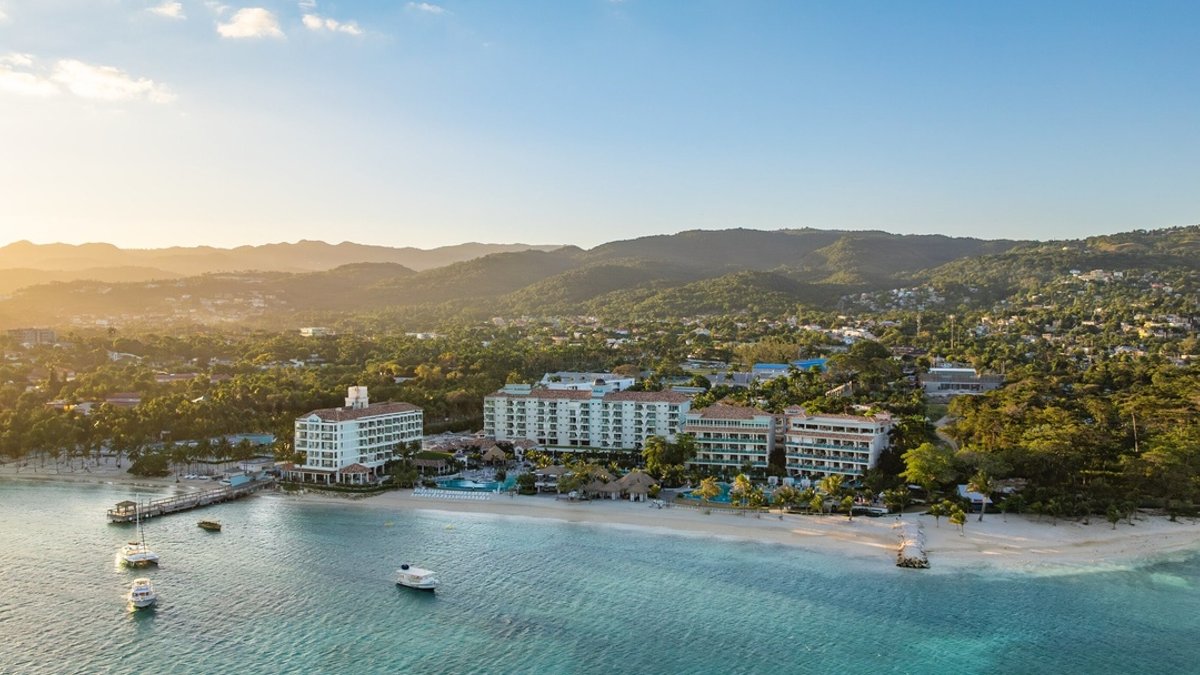
Royal Caribbean Group has announced a $3 billion agreement to take a 50% stake in Sandals Resorts International, the owner of the Sandals and Beaches all-inclusive resort brands. This marks the cruise operator’s first major entry into land-based hospitality, following earlier reports in the Financial Times and CNBC. The transaction values Sandals at approximately $6 billion and is set to finalize in early 2027, pending regulatory approval.
The deal preserves the Stewart family’s leadership role, with Adam Stewart continuing as executive chairman of Sandals and Beaches. He will co-chair the new venture’s board alongside Royal Caribbean’s CEO Jason Liberty, who signed the agreement at the company’s Miami headquarters. Current operations, including reservations systems, loyalty programs, and advisor networks, will remain intact for the time being, though the companies will explore ways to simplify bookings across both brands.
Travelers will initially notice few changes. The Sandals Select Rewards and Royal Caribbean’s Crown & Anchor loyalty programs will operate independently, and existing reservations or honeymoon bookings will not be impacted. Instead, the focus is on cross-promotion, making it easier for guests to book cruises and resort stays together through a single platform. This aligns with Liberty’s strategy to deepen customer engagement within Royal Caribbean’s broader ecosystem, which now includes private island resorts like CocoCay and a planned river cruise line.
Royal Caribbean previously expanded beyond ships in 2018 by acquiring a majority stake in Silversea Cruises for about $1 billion, later absorbing the rest of the company. The Sandals acquisition, however, represents the largest deal in Royal Caribbean’s history. The partnership follows years of effort by the Stewart family, including a failed attempt in 2019 to sell the company to streamline founder Gordon “Butch” Stewart’s estate. The pandemic disrupted those plans, and Stewart’s death in January 2021 led to a legal dispute among family members over the trusts controlling Sandals. This forced bankers to restart the sale process last year, with both strategic buyers and private equity firms competing for the company.
The collaboration signals a growing trend in the travel industry, as cruise lines and resorts increasingly work together to extend guest stays. While Royal Caribbean has not yet merged its loyalty programs, the deal could speed up efforts to integrate cruise and land-based offerings—a strategy competitors like Carnival Corporation have pursued through brands such as Princess Cruises and Holland America. For Sandals, the partnership brings additional capital and access to Royal Caribbean’s global distribution networks, addressing long-standing challenges in expanding beyond the Caribbean.


