
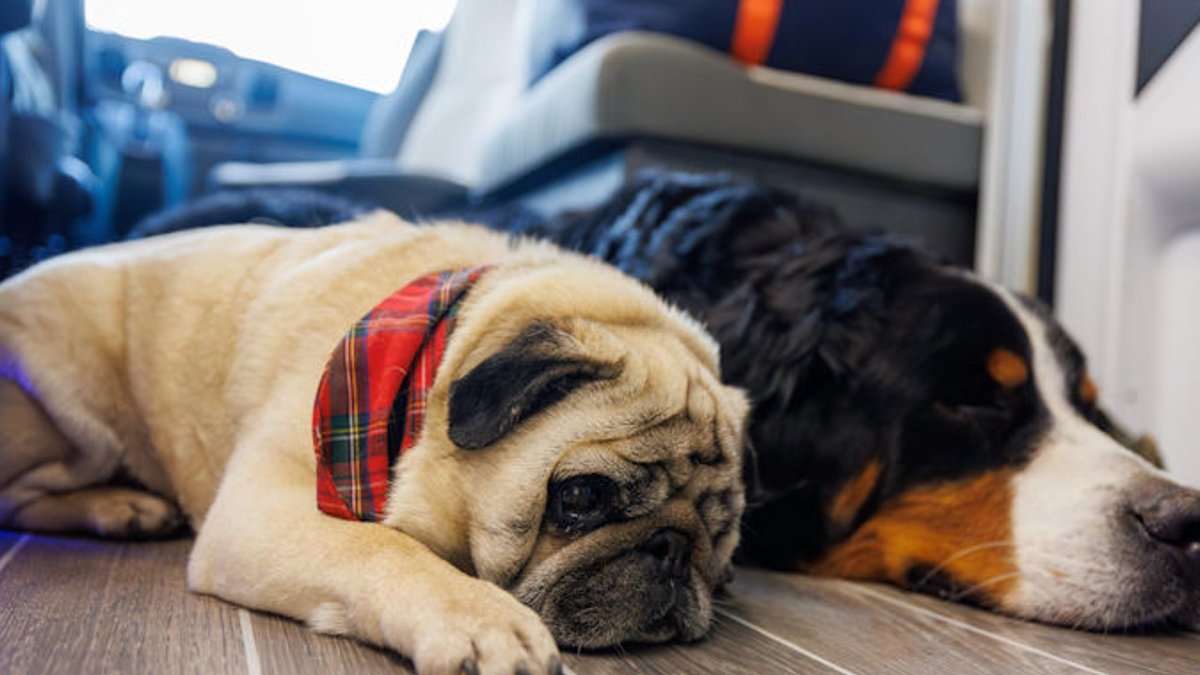
Planning a motorhome holiday in the UK with a dog keeps the whole family together. For many owners, leaving a pet behind means missing out on the trip’s joy. A motorhome removes that trade-off, offering flexibility, comfort, and a familiar space for dogs to travel without stress.
Motorhomes eliminate barriers that hotels and guesthouses often impose on pets. Dogs stay with their owners throughout the journey, reducing anxiety for both. The vehicle becomes a moving home, complete with their bed, toys, and routine.
Flexibility is a key benefit. Stops for walks, toilet breaks, or spontaneous detours don’t require advance planning. National parks, coastal paths, and countryside trails become accessible without rigid schedules. Long drives can be broken up with regular pauses, which is especially important for dogs.
Choosing the right vehicle
Not all motorhomes suit dogs equally well. Size matters—larger breeds need more floor space, while smaller dogs might be fine in a compact model. Durable flooring, good ventilation, and easy access points make a difference in daily use.
Some rental companies provide motorhomes with pet-friendly features, such as washable upholstery or built-in crates. Policies vary, though. A few charge extra cleaning fees or limit the number of pets. Checking these details upfront avoids surprises later.
Related: Southbank Centre Explores Art and Tech Future
It’s important to ensure the layout works for your dog. A short trial can reveal whether the space is suitable before committing to the hire.
Planning the route
The UK offers many dog-friendly destinations. The Lake District and Peak District provide miles of walking trails, while Cornwall and Devon have beaches where dogs are welcome. Scotland’s Highlands offer open spaces and fewer crowds.
Driving distances should remain manageable. Long hours on the road can be tiring for your dog, so include regular stops where they can stretch, hydrate, and relax.
Campsites and safety
Not all campsites welcome dogs equally. Some require leads at all times, while others ban certain breeds. Reading reviews from other dog owners helps avoid places with hidden rules or poor facilities. Dedicated dog exercise areas, waste bins, and showers make life easier.
Booking early is wise, particularly in summer. Dog-friendly sites fill up fast, and last-minute options might be limited. A quick call to confirm pet policies can prevent awkward conversations on arrival.
Related: Europe’s finest ski resorts revealed
Safety inside the motorhome is essential. Unsecured dogs can become projectiles in a sudden stop, risking injury. Travel crates, harnesses, or barriers keep them contained.
Packing for the dog
A checklist prevents last-minute scrambles. Food, water, and collapsible bowls are obvious, but other items often get overlooked. A familiar blanket or toy can ease anxiety in new places. Waste bags, grooming wipes, and any medications should be within easy reach.
First-aid supplies tailored for dogs—tweezers for ticks, antiseptic wipes, and a vet’s contact number—are worth including. Microchipping is a legal requirement in the UK, but an ID tag with a mobile number adds an extra layer of security if the dog gets lost.
Dogs thrive on routine. Keeping feeding times, walks, and bedtime consistent helps them adjust to the motorhome’s rhythm. Watching for signs of stress—excessive panting, whining, or hiding—lets owners intervene before small issues escalate.
Exercise isn’t just about physical health. Mental stimulation matters, too. New smells, textures, and environments tire dogs out in a way that repetitive walks at home don’t. A mix of short, frequent outings and longer explorations keeps them engaged without overdoing it.
Related: Global tensions rise as US arms stocks thin
Socialization opportunities vary. Some dogs enjoy meeting other campers’ pets, while others prefer solitude. Respecting their comfort level makes the trip more pleasant for everyone.
One benefit of traveling with a dog is how it changes the pace. Stops for sniffing, stretching, and photo ops force breaks that might otherwise get skipped. The journey becomes less about rushing to the next destination and more about the moments in between.
Mistakes happen, but most are avoidable. Overpacking leads to cluttered space; underpacking leaves gaps in care. Skipping route planning results in detours through busy towns where dogs aren’t welcome. Ignoring a dog’s needs—whether for water, shade, or rest—can turn a happy trip into a stressful one.
With the right preparation, a motorhome holiday in the UK can be as rewarding for the dog as it is for the humans. The key is balancing freedom with responsibility, adventure with routine. Done well, it’s a chance to see the country through a different lens—one where every stop and shared moment becomes part of the story.


