
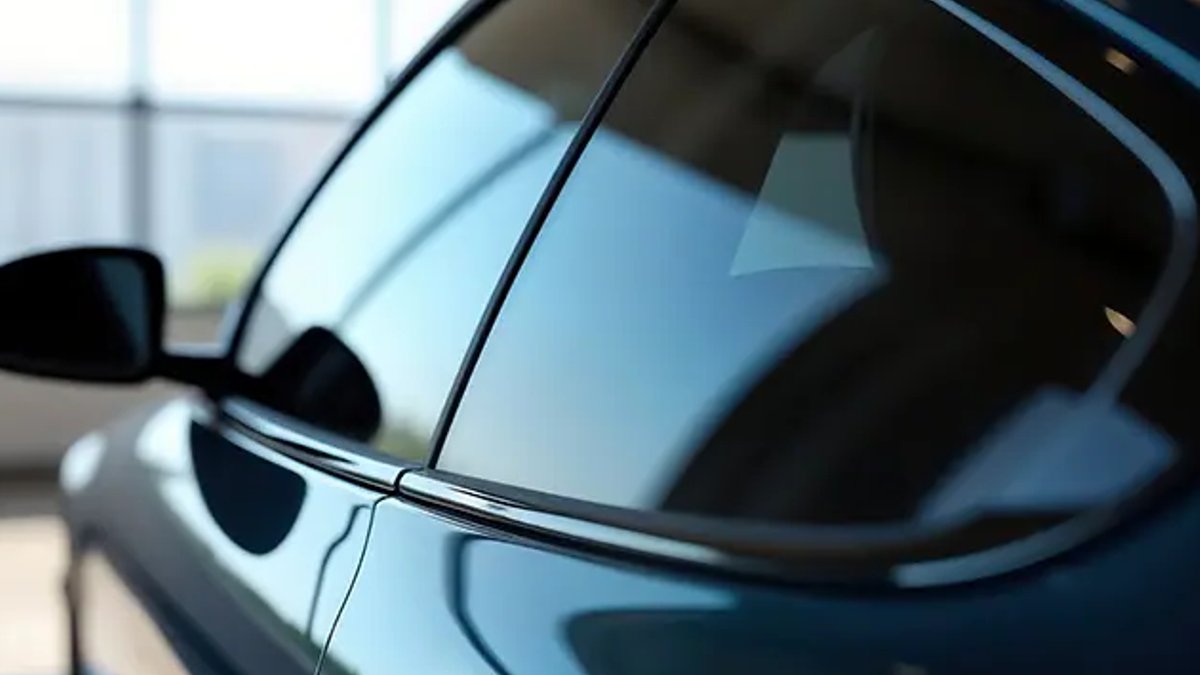
Planning a Pennsylvania road trip requires careful consideration of the state’s strict window tint laws. The Keystone State runs one of the strictest tint laws in the country, and a single dark pane can turn a dream drive into a costly stop. Pennsylvania allows 70% visible light transmission on front glass. Barely darker than factory glass, most aftermarket film fails this test.
Most aftermarket films fail to meet this standard, so it is essential to compare ceramic window tint options before buying. However, trucks and SUVs have no rear window requirement under Pennsylvania rules.
Understanding the 70% Rule
The 70% rule means that 70% of light must pass through the window. Factory glass often sits right at this line, so adding dark film can put you over the limit. PennDOT allows a 3% meter tolerance, so a reading of 67% still passes. Medical exemptions cover colorless UV-filtering film. You need a physician’s certification and a PennDOT certificate carried in the vehicle.
Read Also: Guide to Choosing the Right Ute Canopy
Pennsylvania’s tint law applies to every vehicle on its roads, no matter which state issued your plates. Out-of-state tags draw extra attention from troopers on I-76 and I-95. A meter reading below 70% on front glass means a ticket and an order to fix it. Fix-it citations often require removing the film before you leave the commonwealth.
Ceramic film is a good option because it clears the 70% mark while still rejecting heat. Quality ceramic film passes the 3% meter tolerance with room to spare, providing legal heat rejection without a fight. When choosing a film, it is essential to confirm the measured VLT, not just the shade name, and to compare TSER numbers.
TSER measures all heat, rather than just one slice of the sun, and is the industry benchmark. Infrared rejection is not defined by any standard test method, and some brands cherry-pick a narrow band. A claimed 80% IR rejection may block only half of the total heat your interior soaks up. It is essential to read a data sheet carefully and compare TSER at the same VLT to ensure you are getting a film that meets your needs.
Read Also: Discover the Charm and Convenience at a 3-Star Hotel in Paris’s 13th Arrondissement
Open Road Tolling and Tint
Pennsylvania’s Turnpike launched Open Road Tolling in January 2025 on the eastern mainline and the entire Northeast Extension. Non-metallic ceramic film lets signals pass cleanly, while metallic film can scatter the signal and result in a missed read and a Toll By Plate invoice at double the rate. E-ZPass can save up to 50% versus Toll By Plate, so every missed read erases real savings.
The Turnpike’s Open Road Tolling system will have a statewide rollout in January 2027, making signal clarity even more important. Inspecting shop credentials before buying is vital, as a bad install can look fine for a month and then bubble and peel. Looking for certifications like IWFA membership and manufacturer dealer programs can ensure the shop has real training and consistent standards. Confirming the installer’s meter is calibrated and asking to watch the finished reading taken on your own car can also provide peace of mind.
According to the Pennsylvania Code, Title 67, Section 175.67, and Table X, the 70% rule is strictly enforced, and drivers can face fines and penalties for non-compliance. Checking the film’s UV rejection rating on the spec sheet is also critical, since not every clear-looking film blocks UV-A equally. A legal 70% ceramic film rated for UV rejection can close the gap without crossing Pennsylvania’s limits, with a UV rejection rating that can be found in the spec sheet provided by the manufacturer, which is a critical detail to consider when choosing a film.


