
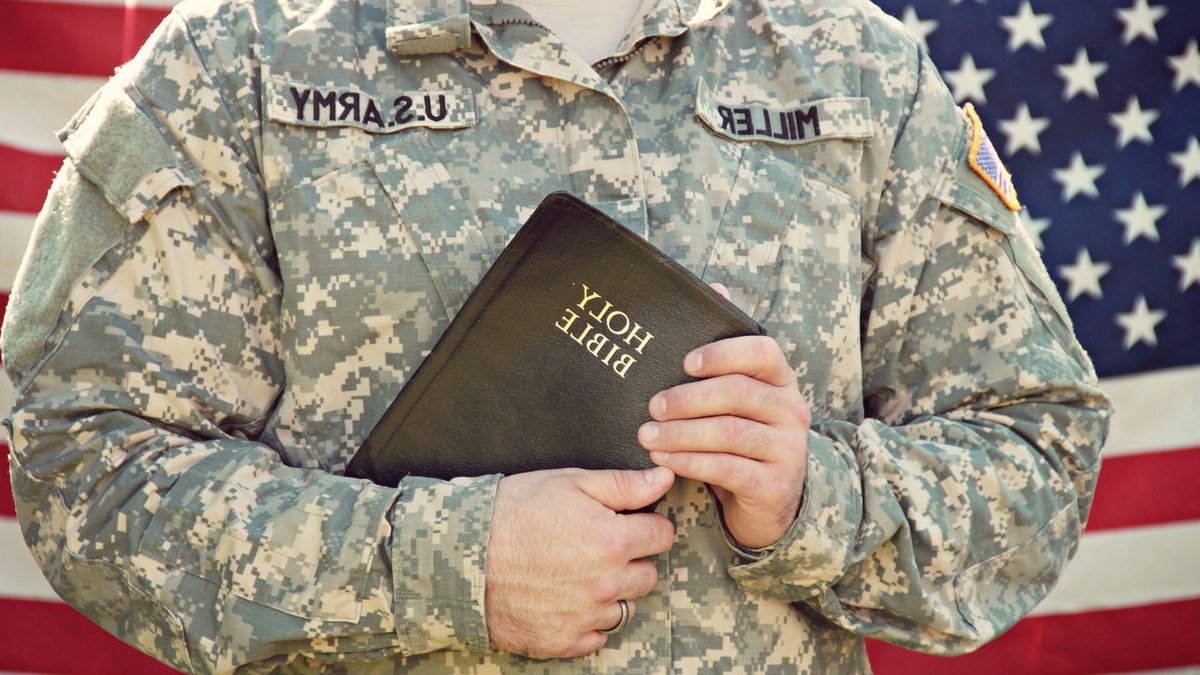
Two U.S. soldiers were killed and another remains missing following an Iranian missile attack on Muwaffaq Salti Air Base in Jordan. The strike targeted a facility used by American warplanes for operations against Iran. Officials reported that several additional troops were wounded during the assault. In response, the United States launched a series of fresh strikes against Iran as retribution for the attack on American forces. This marks the first time U.S. troops have died from direct Iranian fire since the early days of the current conflict, before a cease-fire took effect in June.
Israeli security forces are struggling to counter a wave of recruitment attempts by Iranian intelligence operatives targeting citizens, particularly within the ultra-Orthodox community. Authorities have identified at least nine cases involving suspects accused of spying for Tehran. The operations often begin with seemingly minor requests, such as asking individuals to photograph local sites or distribute messages, which escalate into more serious assignments involving the creation of false intelligence profiles. To combat this, Israeli officials are turning to rabbis and religious influencers to deliver warnings, recognizing that standard security agency messages may not reach closed communities as effectively.
Related: Trump Renews Election Fraud Claims on TV
Prosecutors have secured indictments in more than 60 cases related to citizen spies. One notable case involved Ami Gaidarov, a 22-year-old accused of manufacturing explosives as part of a plot to kill a senior political figure. Another involved Meir Nahum, a 24-year-old computer science student who posed as an officer from Israel’s 8200 intelligence unit on Telegram. He allegedly provided false information to his handler, claiming Israel was involved in the 2024 helicopter crash that killed Iranian President Ebrahim Raisi. The enlistment of religious figures suggests the state is treating this threat not just as a counterintelligence issue, but as a complex community-communications problem.
It is easy to look at these cases and assume they represent isolated failures of individual judgment. However, the pattern of these arrests—spreading across the country and involving varied social circles—suggests a more systemic vulnerability. When a state relies heavily on digital surveillance and bureaucratic warnings, it often misses the nuances of offline, word-of-mouth recruitment that thrives in tightly knit groups. The shift toward using religious leaders to stop religious recruits highlights that the battlefield has moved from the physical perimeter to the domestic living room.
Related: U.S.-Iran Halt Attacks, Venezuela Quake Near 1,500; Europe Heatwave
Canada fires burn out of control
Canada is facing a wildfire crisis that has forced the Trump administration to threaten new tariffs on the country. The smoke from over 850 active fires, including more than 100 burning out of control, has blanketed the northeastern United States. Air quality alerts have been issued in at least 17 states as the plumes travel more than a thousand miles. On Thursday afternoon, Minneapolis held the title of the most polluted city in the world according to IQAir, with Chicago and Detroit following shortly after. The smoke has become so widespread because a heat dome over the region has trapped the pollutants close to the ground.
The fires are concentrated in remote regions of Northwestern Ontario, such as Red Lake and near Wabakimi Provincial Park. These areas are largely inaccessible by road, making containment efforts difficult. Water bombers struggle to have an effect on the scale of the blazes, and prevailing winds are sweeping the thick smoke directly south. Canadian officials, including Minister of Emergency Preparedness Eleanor Olszewski, stated that the crisis “knows no borders” and that they are working with urgency to protect their citizens. The Trump administration has called for Canada to control “Mother Nature” and threatened steeper tariffs if the pollution continues.
Europe’s vineyards face extreme heat
Extreme heat is posing a significant threat to Europe’s wine industry, with vintners in Austria leading the charge in adapting to the changing climate. The European wine sector contributes €130 billion annually to the region’s economy. Austria, where wine makes up 9% of agricultural output, has been hit particularly hard. Vineyards in regions like Niederösterreich are experiencing water stress and sunburn risks. In response, Austrian vintners are adjusting to higher altitudes, north-facing slopes, and shifting harvest times to early morning or night. A significant portion of the country’s vineyards already rely on organic or biodynamic farming to build resilience against weather extremes.


