
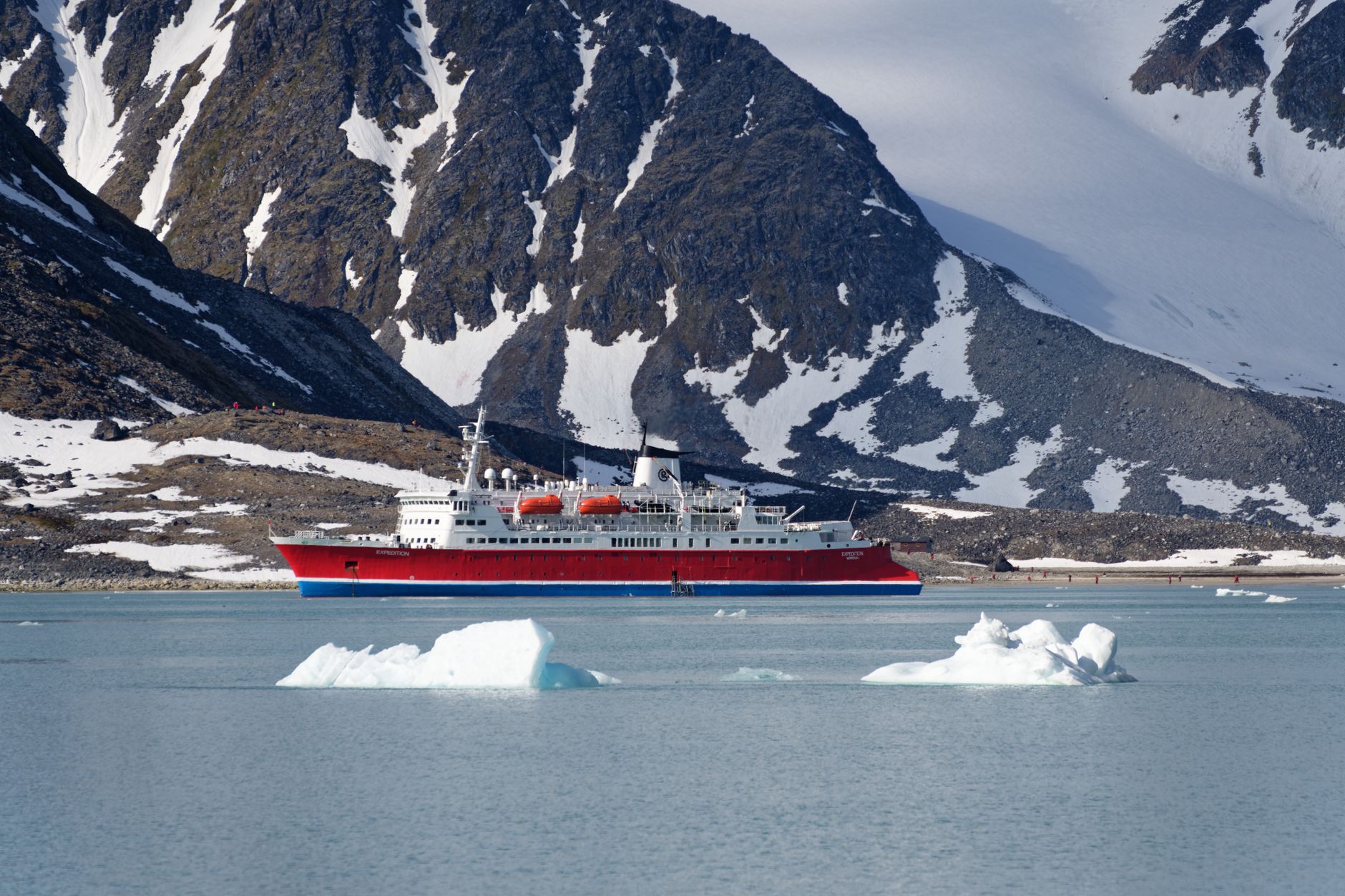
Poseidon Expeditions is developing a purpose-built polar expedition vessel, expected to enter service in late 2028, with a focus on destination access, guest comfort, and polar operations. The new ship will be a significant change to the operator’s ship platform in over a decade, while the current Sea Spirit programme will continue through the 2027-28 season.
CEO Angelica Vorea says the ship is being developed around expedition operations, guest comfort, and the experience at the destination, building on the company’s existing priorities. The vessel will incorporate new solutions in three broad areas: expedition operations, guest comfort, and the overall experience at the destination.
New Vessel Details
Maritime-industry reporting has identified the project as a 186-passenger newbuild due from China Merchants Heavy Industry in September 2028, although Poseidon has not yet formally detailed the full specification. The company has stopped short of publishing a full specification sheet, saying the vessel is expected to enter service in late 2028.
Poseidon’s current polar programme has been closely associated with the 114-passenger M/V Sea Spirit, which the company began operating in 2015. The ship continues to sail in both the Arctic and Antarctica and remains central to the operator’s published 2027-28 season.
Expedition Operations
The small-ship format is important to Poseidon’s operating model, with Sea Spirit normally sailing with around 100 guests, allowing all passengers to go ashore at the same time at many Antarctic landing sites. The company promotes up to three activities or landings a day on some itineraries, with Zodiac operations, photography, and wildlife observation forming a large part of the programme.
The newbuild raises a strategic issue for the operator: how to introduce a more modern vessel without losing the scale and expedition rhythm that distinguish its existing product. Vorea’s statement directly addresses that tension, saying the vessel is being developed around Poseidon’s own expedition philosophy and operational requirements.
Shipbuilding Partners
Poseidon’s press room identifies United Waterways and its ocean division Ocean Advice as partners working with the company on the first vessel in a next-generation white-label expedition shipbuilding programme. Other industry reports have linked the ship to a wider United Waterways and Ocean Advice programme covering expedition and coastal cruise vessels.
For travellers, the immediate product remains unchanged, with Poseidon continuing to sell Sea Spirit voyages across the Arctic, Antarctica, South Georgia, and other polar regions, including its published 2027-28 season. The company has not said whether Sea Spirit will remain in the fleet once the new vessel enters service.
Company History
Poseidon Expeditions was founded in the UK in 1999 and is now headquartered in Cyprus, with 27 years of polar operations feeding into the design of the new vessel. The company is a member of both the International Association of Antarctica Tour Operators and the Association of Arctic Expedition Cruise Operators, and its current product remains focused on small-scale, expedition-led travel.
Vorea described the 2028 vessel not as a reset but as a continuation of the company’s existing model, with the practical test being whether the new ship can add modern guest and operational capabilities while preserving the destination-first approach that Poseidon has built around Sea Spirit. More details on the vessel’s design, technical systems, and deployment are expected as the project moves closer to delivery.
It will be important to see how Poseidon balances the need for modern amenities with the desire to maintain the intimate, expedition-led experience that its customers have come to expect. The company’s commitment to small-scale, destination-focused travel will likely be a key factor in the success of the new ship, and its ability to deliver on this promise will be closely watched by the industry and its customers.
Poseidon Expeditions is moving forward with the development of the new vessel.


