
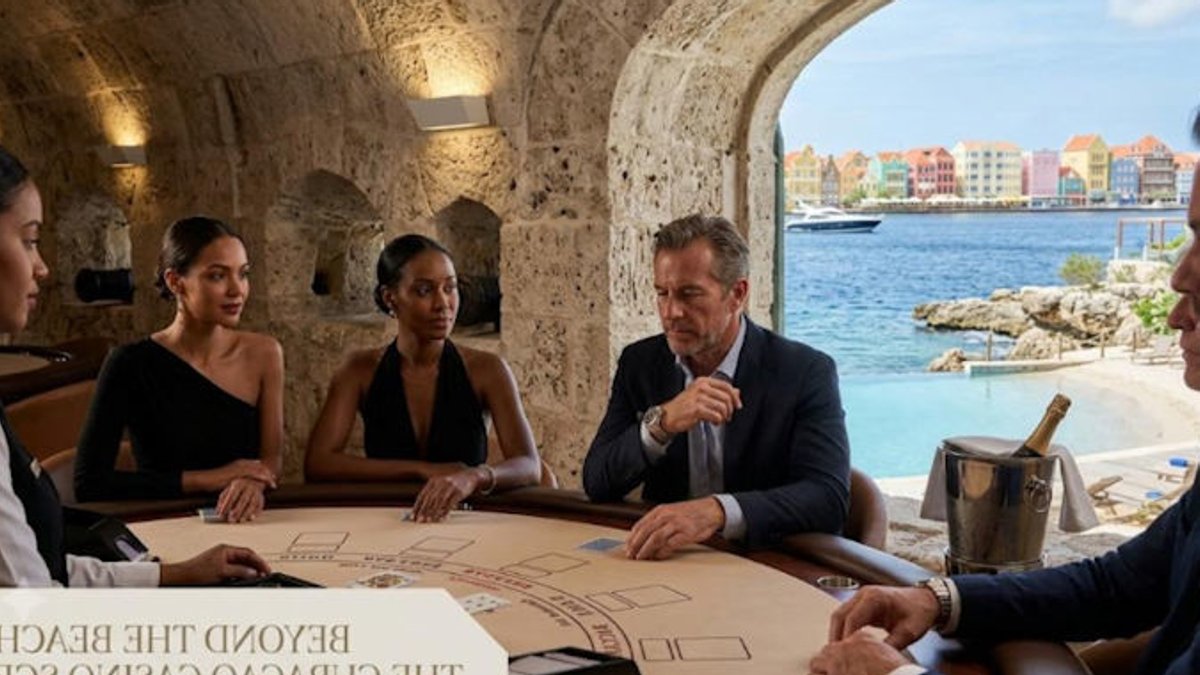
High‑end travelers seeking more than beachside leisure are turning to the emerging Curaçao casino scene, where gaming blends with historic architecture and upscale dining.
Historic Venues Replace Resort Halls
At the Renaissance Wind Creek, the Carnival Casino sits within the stone walls of an 1800‑century fort originally built to fend off pirates. The protected area spans roughly 15,000 sq ft, offering high‑limit Caribbean Stud Poker, baccarat and roulette without the restrictive caps common in many European venues. Management relies on algorithmic “Express Offers” that instantly reward heavy players with spa access or upgrades at sister properties.
Related: Nile Cruises Offer Ultimate Luxury Experience
Another notable spot, Jan Thiel’s venue at Papagayo Beach, abandons the classic flashing‑light décor for a minimalist design that opens onto a rocky saltwater pool. The exclusive VIP lounge isolates high‑stakes Texas Hold’em and Omaha tables from general foot traffic, allowing deep‑stacked variance in a private setting.
Dining Experiences Meet the Tables
Gaming on the island often leads diners to the Pietermaai District, a gentrified area locals liken to a Caribbean Soho. The Art Hotel’s Lemon Tree restaurant offers a five‑course menu.
Compared with the static, enclosed casino resorts of the Bahamas, Curaçao’s approach feels like stepping into a living museum where every gamble is paired with a view of historic forts or a tide‑kissed dinner. The blend of heritage, culinary ambition and regulatory pressure creates a distinctive niche that appeals to executives accustomed to both high stakes and high standards.
Related: Viking named #1 for ocean river and expedition
Local authorities note that the regulatory framework aligns with FATF guidelines, tightening anti‑money‑laundering controls while encouraging physical investment. As a result, the island’s gaming scene is changing, with operators expanding their high‑limit offerings and integrating nearby upscale restaurants into the overall guest experience.
Visitors can expect to move between colonial‑era casinos, boutique dining venues and luxury accommodations within a compact island setting. The emphasis on outdoor engagement and historical ambience marks a departure from the self‑contained resort model that once dominated Caribbean gambling.


