
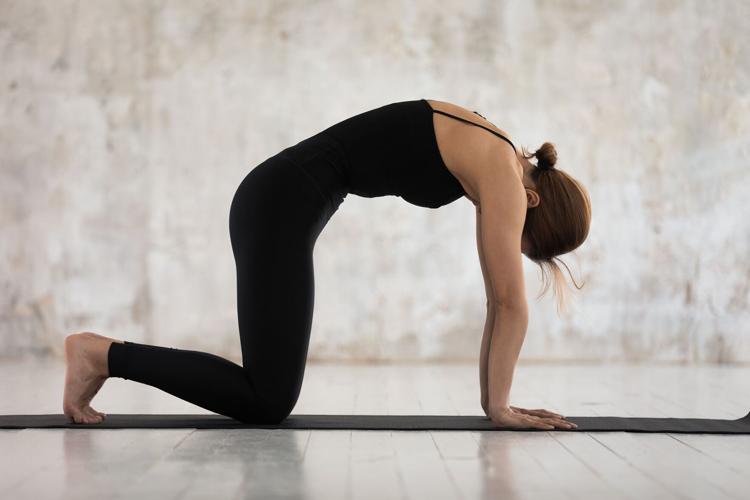
Flexibility is an often overlooked but vital aspect of overall health and well-being. It plays a crucial role in maintaining physical functionality, preventing injuries, and improving quality of life. Beyond the realm of fitness, flexibility embodies the ability of the body to adapt to movement, stress, and the demands of daily life. The importance of flexibility in health extends far beyond the gym or yoga studio, influencing both physical and mental resilience.
The Role of Flexibility in Physical Health
Flexibility refers to the range of motion (ROM) available in a joint or group of joints. It is essential for performing everyday tasks such as bending, reaching, or twisting. When flexibility is compromised, simple actions can become challenging and lead to discomfort or injury.
For instance, tight hamstrings or stiff shoulders can affect posture, causing strain on the spine and leading to chronic pain. Regular stretching and mobility exercises improve muscle elasticity and joint ROM, reducing the risk of musculoskeletal disorders. Moreover, flexibility enhances circulation, delivering oxygen and nutrients to tissues more efficiently, which aids in recovery and reduces soreness.
Injury Prevention and Rehabilitation
The importance of flexibility in health is most evident in its role in injury prevention. Flexible muscles and joints are less likely to be strained or torn during physical activity. Athletes, in particular, benefit from flexibility training, as it helps them maintain proper technique and absorb impact forces effectively.
Additionally, flexibility plays a critical role in rehabilitation. After an injury, restoring ROM is a primary focus of physical therapy. Stretching and mobility exercises help rebuild strength, improve circulation, and prevent compensatory patterns that could lead to further issues.
Enhancing Athletic Performance
Flexibility is a cornerstone of athletic performance. It enables fluid and efficient movement, improving coordination and balance. Whether it’s a dancer performing intricate choreography, a swimmer achieving streamlined strokes, or a weightlifter maintaining proper form, flexibility is indispensable.
Dynamic flexibility, in particular, allows athletes to move through their full ROM with speed and control. This capability not only boosts performance but also minimizes the risk of injuries associated with sudden, explosive movements.
Flexibility and Aging
As the body ages, it naturally loses flexibility due to changes in muscle mass, connective tissues, and joint health. This decline can lead to reduced mobility, increased stiffness, and a higher likelihood of falls or injuries. However, regular flexibility training can mitigate these effects, preserving independence and quality of life in older adults.
Stretching routines tailored to the needs of aging individuals can improve balance, reduce joint pain, and enhance daily functionality. Activities such as yoga, tai chi, and pilates are particularly beneficial, combining flexibility with strength and mindfulness.
Mental and Emotional Benefits
Flexibility is not merely a physical attribute; it also impacts mental and emotional well-being. Stretching exercises often involve deep, controlled breathing, which activates the parasympathetic nervous system. This activation promotes relaxation, reduces stress, and improves mental clarity.
Furthermore, activities like yoga integrate flexibility with mindfulness, creating a holistic approach to health. The meditative aspects of stretching can help alleviate anxiety, improve mood, and foster a sense of inner balance. In this way, the importance of flexibility in health transcends the physical realm, contributing to overall mental resilience.
Strategies to Improve Flexibility
Improving flexibility requires consistent effort and a well-rounded approach. Below are some effective strategies:
- Static Stretching
Holding a stretch for 20-30 seconds helps lengthen muscles and improve their elasticity. This type of stretching is particularly beneficial after exercise when muscles are warm. - Dynamic Stretching
Involves moving through a range of motion in a controlled manner, preparing the body for physical activity. Examples include leg swings, arm circles, and lunges with a twist. - Foam Rolling
Self-myofascial release with foam rollers helps break up adhesions in connective tissues, improving mobility and reducing muscle tightness. - Yoga and Pilates
These practices combine stretching with strength and balance, making them excellent tools for improving overall flexibility and functional movement. - Consistency
Flexibility is not achieved overnight. Regular practice, even for just 10-15 minutes a day, can lead to significant improvements over time.
Common Misconceptions About Flexibility
Many people associate flexibility with extreme contortion, thinking it is only relevant for gymnasts or dancers. However, the importance of flexibility in health applies to everyone. It is about maintaining sufficient ROM to perform daily tasks and stay active without discomfort or risk of injury.
Another misconception is that flexibility is solely determined by genetics. While some individuals may naturally have a greater ROM, flexibility can be significantly improved with consistent practice and proper techniques.
The Science Behind Flexibility
Flexibility training influences the musculoskeletal system at multiple levels. Stretching elongates muscle fibers and increases the extensibility of connective tissues, such as tendons and ligaments. Over time, this leads to structural adaptations, improving ROM and reducing stiffness.
Neurological factors also play a role. The nervous system regulates muscle tension through mechanisms like the stretch reflex. Regular stretching desensitizes these reflexes, allowing muscles to relax and extend further without resistance.
Flexibility as Part of Holistic Health
Flexibility should not be viewed in isolation but as part of a comprehensive health strategy. It complements strength training, cardiovascular fitness, and balance exercises, creating a well-rounded approach to physical well-being.
For instance, a strength training regimen that incorporates flexibility exercises ensures that muscles remain supple and joints remain mobile. This balance reduces the risk of imbalances and overuse injuries. Similarly, flexibility enhances endurance activities by improving posture and movement efficiency.
Conclusion
The importance of flexibility in health is undeniable. It is a fundamental aspect of physical functionality, injury prevention, and overall well-being. By incorporating regular flexibility training into daily routines, individuals can enhance their quality of life, maintain independence as they age, and unlock their full physical potential.
In a fast-paced world where health often takes a backseat, prioritizing flexibility serves as a reminder that small, consistent efforts can yield transformative results. Whether through yoga, dynamic stretches, or mindful breathing exercises, embracing flexibility is a step toward a healthier, more resilient body and mind.