
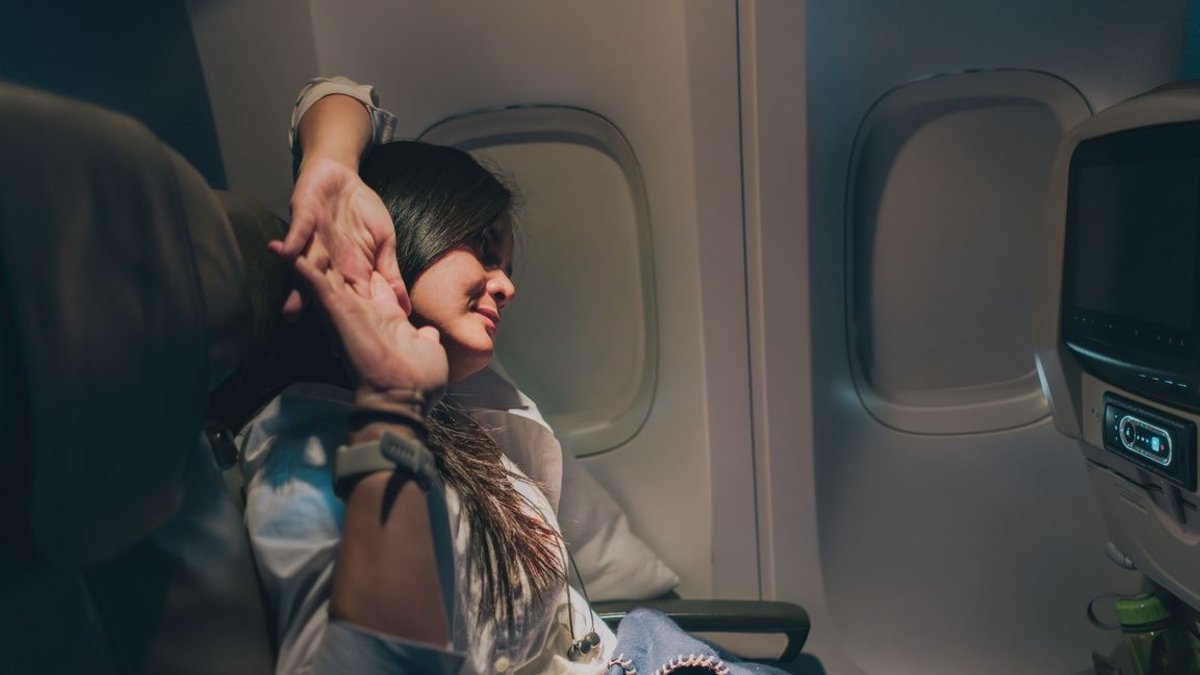
Long-haul flights often result in stiff backs and sore necks, regardless of the cabin class. Spending nine or more hours in a fixed position limits physical activity, which leads to discomfort upon arrival. Pilates instructors suggest that incorporating specific, low-impact movements while seated can help maintain circulation and reduce muscle tension without bothering fellow passengers.
Pilates is a conditioning method developed in the 1920s to aid physical recovery. Its focus on conscious, controlled movement makes it well-suited for confined spaces. According to the report, these exercises help combat puffiness and stiffness by keeping the body engaged. For frequent flyers, maintaining a consistent practice on the ground may provide a stronger foundation for handling the physical demands of travel.
Passengers often experience more significant bodily fatigue than flight crew because workers spend the majority of their time on their feet. While the crew remains mobile, travelers are restricted to their seats for extended durations. This difference shows the necessity of active stretching.
Frequent travelers who integrate these small, seated adjustments into their routine often find that the cumulative effect of minor muscle engagement shifts their arrival experience from exhausted to relatively refreshed. By consciously managing posture and joint mobility, individuals can mitigate the common stressors associated with prolonged confinement in a pressurized cabin.
Related: Thirteen stopover flights to maximize international travel
Deep diaphragmatic breathing serves as a starting point. By sitting toward the front of the seat with an elongated spine, travelers can inhale for a count of four and exhale for the same duration. This process expands the rib cage and helps calm the nervous system. Similarly, shoulder rolls—moving the joints up, back, and down—provide relief for the upper back.
Pelvic tilts allow for movement in the lower back, helping to reset neutral posture after periods of slumping. To perform these, arch the lower back while inhaling, then round it while exhaling. This simple oscillation prevents the spine from becoming locked into a single position for too long.
Additional movements include:
These movements should remain controlled to avoid straining the body or encroaching on neighboring seats. Walking the aisles whenever it is safe to do so remains the most effective way to keep blood flowing during a long journey. Travelers looking to may find that these techniques improve their comfort during extended transits. Consistent movement helps maintain physical wellness throughout the journey. Proper preparation is essential for long flights.


